
Have you ever gotten out of the car during pregnancy and thought, “Why does my pelvis hurt this much?”
Or maybe walking, climbing stairs, getting dressed, getting out of bed, or even rolling over at night has become painful.
If that sounds familiar, you may be experiencing symphysis pubis dysfunction (SPD), often discussed as part of pregnancy-related pelvic girdle pain.
While some aches and discomforts are common during pregnancy, significant pelvic or pubic bone pain can make everyday life surprisingly difficult. And you don’t necessarily have to spend the rest of your pregnancy simply trying to tolerate it.
What Is Symphysis Pubis Dysfunction?
The symphysis pubis is the joint at the front of your pelvis where the two sides of your pelvic bones meet.
During pregnancy, your body goes through significant changes as it prepares for birth. Changes in hormones, joint and ligament mobility, your growing baby, and the way you move and load your pelvis can all contribute to pelvic discomfort.
The term symphysis pubis dysfunction (SPD) is commonly used to describe pain around the pubic symphysis during pregnancy. You may also hear the broader term pelvic girdle pain.
Importantly, pelvic pain during pregnancy can look different from one mom to another.
What Does SPD Feel Like?
SPD isn’t always just pain directly over the pubic bone.
You may notice pain or discomfort around the:
- Pubic bone
- Groin
- Hips
- Low back
- Buttocks
- Pelvis
- Inner thighs
You may also notice that certain everyday movements suddenly become much more difficult.
Common activities that can aggravate symptoms include:
- Walking
- Going up or down stairs
- Getting in or out of the car
- Rolling over in bed
- Getting in or out of bed
- Getting dressed
- Putting on pants or shoes
- Standing on one leg
- Getting up from a chair
- Taking larger steps
- Separating your legs
Sometimes the most frustrating part isn’t the pain itself. It’s realizing how many times a day you have to do the things that aggravate it.
Why Does SPD Happen During Pregnancy?
There isn’t one single cause of symphysis pubis dysfunction.
Pregnancy changes the way your body moves and handles load. Your center of gravity changes as your baby grows, your abdominal and pelvic tissues are adapting, and hormonal changes affect the connective tissues around your joints.
At the same time, everyday activities can place different demands on the pelvis.
For example, standing on one leg to put on pants or taking a large step getting out of the car may feel very different during pregnancy than they did before.
This doesn’t mean that your pelvis is necessarily “out of place” or that something is wrong with your body.
It means your body may need a little more support, modification, or individualized care as it adapts to pregnancy.
What Can Make SPD Worse?
Many women notice that their symptoms are worse with movements that put uneven or increased stress through the pelvis.
This can include:
- Repeated single-leg movements
- Large steps
- Frequent stairs
- Certain positions during sleep
- Getting dressed while standing on one leg
- Getting in and out of a car
- Activities that repeatedly aggravate your symptoms
That doesn’t mean you need to stop moving.
In fact, completely avoiding activity isn’t necessarily the answer. The goal is often to figure out which movements are irritating your symptoms and how they can be modified while still allowing you to move, exercise, work, and care for yourself.
Is SPD Normal During Pregnancy?
Pelvic discomfort can be common during pregnancy, but that doesn’t mean significant pain should simply be dismissed.
If pelvic or pubic bone pain is affecting your ability to walk, sleep, exercise, work, get dressed, get in and out of the car, or participate in the activities you normally enjoy, it is worth bringing up with your healthcare provider.
You don’t have to wait until after your baby is born to address it.
What Can Help Symphysis Pubis Dysfunction?
There isn’t one exercise, stretch, position, or treatment that works for every woman with SPD.
That’s one reason an individualized evaluation can be so helpful.
Depending on your symptoms and what your physical therapist finds during your evaluation, treatment may include:
- Movement and activity modifications
- Positioning strategies
- Manual therapy
- Pelvic and core assessment
- Individualized strengthening or stabilization exercises
- Sleep-position modifications
- Education about how to move with less irritation
- Supportive garments when appropriate
- Gradual return to activities that have become difficult
Your treatment should be based on your body, your symptoms, your pregnancy, and your goals.
For one mom, the biggest issue may be getting out of the car. For another, it may be sleeping, walking, exercising, or simply getting dressed without pain.

Can SPD Continue After Pregnancy?
This is an important question because some women expect their pelvic pain to disappear immediately after giving birth.
For some women, pelvic or pubic bone pain can continue after pregnancy.
If you are months—or even years—past giving birth and you’re still experiencing pain around your pubic bone or pelvis, that doesn’t mean you’ve missed your opportunity to address it.
You don’t have to be newly postpartum to seek pelvic floor physical therapy.
Persistent pelvic pain can affect everyday activities, exercise, sleep, work, and intimacy. An individualized evaluation can help determine what may be contributing to your symptoms and what treatment may be appropriate.
When Should You See a Pelvic Floor Physical Therapist?
Consider seeking an evaluation if pelvic or pubic bone pain is:
- Interfering with your everyday activities
- Making walking or stairs difficult
- Affecting your sleep
- Limiting exercise
- Making it difficult to get dressed or get in/out of the car
- Changing the way you move
- Continuing after pregnancy
You also don’t need to wait until your pain becomes severe.
Sometimes addressing movement patterns and symptoms earlier can help you stay more comfortable and active throughout pregnancy.
How Can Pelvic Floor Physical Therapy Help?
Pelvic floor physical therapy isn’t just about doing Kegels or being handed a list of exercises.
At our practice, we look at the whole picture.
That may include how you’re moving, how your pelvis and surrounding tissues are functioning, what activities are aggravating your symptoms, and what you need to be able to do comfortably during pregnancy and after birth.
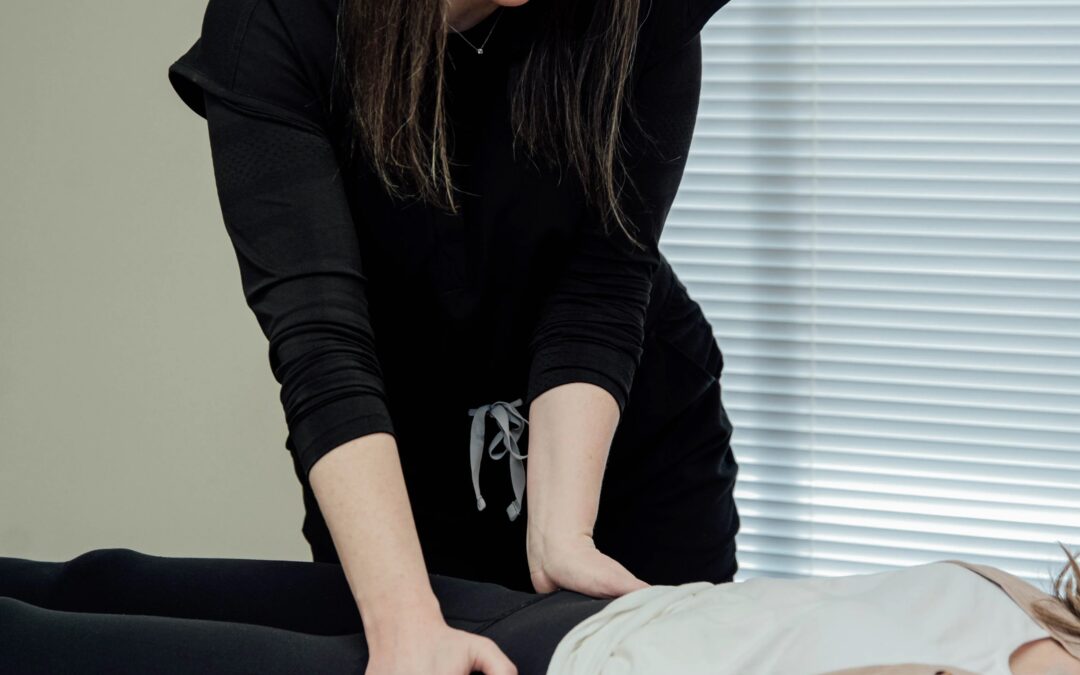
Treatment may include hands-on manual therapy, education, movement modifications, and an individualized home program based on your specific needs.
Our goal is to help you understand your body and give you practical strategies that fit into your actual life.
You Don’t Have to Just Push Through Pelvic Pain
Pregnancy asks a lot of your body.
Some discomfort may be part of the process, but significant pain that changes the way you move or affects your everyday life deserves attention.
If you’re experiencing symphysis pubis dysfunction, pubic bone pain, or pelvic pain during pregnancy, pelvic floor physical therapy may be able to help.
And if you’re already postpartum and still dealing with pain that started during pregnancy, it’s not too late to have it evaluated.
If you want more info on SPD, check out our most popular blog post and our pelvic girdle questionnaire.
Learn more about our Pelvic Health services.
Learn more about Pregnancy & Birth Physical Therapy.
Schedule a Discovery Call to learn more about working with our team!